Resources

News, media, and the public record.

Coverage of the alliance, plus the documents and tools that sit alongside it.

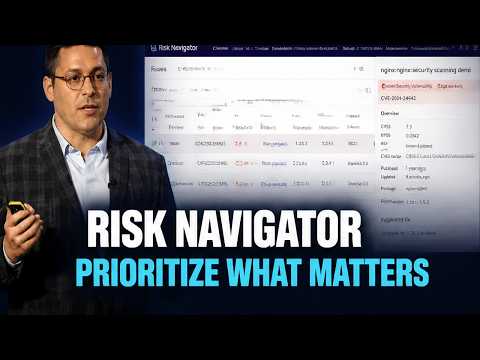
The Downstream Dilemma — the launch video from OSFF London 2026
Read the FINOS launch announcement
In the press

OSERA Coverage

What the industry press is saying about OSERA — most recent coverage first.

diginomica · 15 October 2026

What is OSERA, and why are six global banks pooling the cost of patching open source software?

Read →
Luca Berton · 10 October 2026

AI-Speed Exploits: Open Secure AI Alliance and OSERA

Read →
heise online · 9 October 2026

Why open-source patches often don't reach banks

Read →
Efficiently Connected · 8 October 2026

FINOS OSERA: Backport Patching for Financial Services Security

Read →
FINOS · 7 October 2026

Major Banks Back OSERA Open Source Security Standards and Fixes

Read →
Runtime Wire · 7 October 2026

Banks fund OSERA to patch the Java versions their systems still run

Read →
Infosecurity Magazine · 2 September 2026

How Industry Coalitions Are Rallying to Secure Open Source Software for the AI Era

Read →
FTF News · 19 August 2026

FINOS Takes Aim at A.I.-Based Cyber Threats

Read →
Sonatype · 6 July 2026

AI Is Forcing a New Open Source Security Model

Read →
The Paypers · 29 June 2026

FINOS announces plan to launch open source resiliency alliance

Read →
Compare the Cloud · 29 June 2026

Six global banks complete open source security pilot as FINOS announces Project OSERA

Read →
iThome · June 2026

Linux 基金會旗下 FINOS 規畫成立開源企業韌性聯盟 OSERA,協助金融業修補開源套件

Read →
FF News · 26 June 2026

Global Banking Giants Launch Project OSERA to Secure Open Source Supply Chains Against AI Threats

Read →
Finextra · 26 June 2026

Global banks back project to strengthen open source resilience

Read →
The Linux Foundation · 26 June 2026

FINOS Announces Intent to Form OSERA for Open Source Supply-Chain Resiliency in the Era of AI

Read →
FINOS · 26 June 2026

FINOS Announces Intent to Form OSERA, a Global Financial Services-Led Alliance for Open Source Supply-Chain Resiliency

Read →
Videos & shorts

OSERA on video

Explainers and shorts on why OSERA exists and how the model works — from the FINOS YouTube channel.

More on the way — subscribe to FINOS on YouTube for new OSERA videos and shorts.

Our Vision

The last mile of open source security should not be proprietary.

The same open source software runs the world's banks, insurers, hospitals, power grids and governments. It was built, and is largely maintained, in the open — by a global community, for everyone.

AI has not changed which vulnerabilities exist; it has changed how fast known ones are weaponised. A serious, well-funded response is arriving — much of it from individual vendors, each with its own approach. We welcome the investment and the urgency. But we have seen this pattern before: when something essential is fixed behind closed doors, access to the fix can quietly become a toll.

If the security of shared infrastructure is enclosed by any single company, we will have traded an open risk for a private one. That is a bargain the world should not accept.

A network is only as safe as its weakest link. Keeping remediation open, portable, and consumable at scale is not idealism — it is sound risk management, and a neutral, sovereign alternative to depending on any one provider.

Our stand

Fix it in the open. Keep it free. Let it move.

This is the neutral home for open source remediation in regulated environments, formed within FINOS and the Linux Foundation. Incubated in financial services, where the regulatory bar is highest, it is built to serve any regulated enterprise. We work in step with Akrites - the Linux Foundation's upstream security response initiative - and alongside the vendors building important tools. We are not here to compete with them. We are here to make sure their good work stays portable, verifiable, and free of lock-in for the institutions, and the public, that depend on it.

Our principles

How open source security should work in the AI era

1

No monopolies, no capture

No single organisation should control how open source is patched. We strengthen the commons; we do not enclose it.

2

Upstream first

Wherever possible, fixes flow back to the original projects — free, public, and available to the whole community.

3

Coordination is the hard part

Anyone can write a patch. The real work is triage, testing and responsible disclosure — and that takes collective action.

4

Evidence with every fix

A fix should arrive with proof — its origin, contents and testing — so consumers can trust it and show their regulators they did.

5

Automation reduces toil, not accountability

AI can do more of the work, but a human still owns the decision to ship. Speed must never outrun responsibility.

6

Organise globally

Open source crosses every border. So must its defence — for institutions of every size, in every country.

In practice

What we commit to — and what we ask

We commit to

  • Offer fixes upstream and keep public forks public.
  • Attach a clear evidence trail to every fix as our tooling matures.
  • Set open standards so a fix is portable across any provider.
  • Make mutualised remediation affordable — a fraction of going it alone.
  • Stay neutral: vendors are partners, never gatekeepers.

We ask the industry to

  • Favour open, portable remediation over closed, single-source fixes.
  • Insist that the patches you buy can be verified and moved.
  • Contribute back to the projects you depend on.
  • Join a global effort — wherever you are, whatever your size.
  • Treat the security of the commons as shared, not proprietary.

The Governing Board members are the institutions standing behind these principles. To add your institution, become a member or email membership@finos.org.

Be part of the next chapter.

Financial institutions fund and govern the alliance. Tech vendors join the working groups through FINOS. And because every line is open source, anyone can build it themselves.